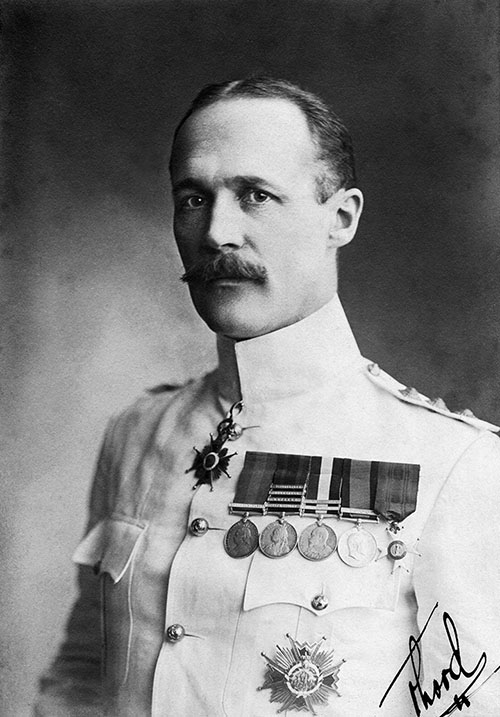
IN February 1919, Thord’s impressive service record secured him a commission in the White Russian Army in Siberia. He was soon in the thick of action against the Red Army. His military acumen led him to the realisation that ‘the Reds are infinitely superior to us in strategy, tactics, and in the art of fighting. … The more I see of the enemy the more I like him: He is at least loyal to his cause and fights like a man.’
Thord was scornful of much of the White Army’s officer corps: ‘The former proud royalist figure with the clattering sabre, jingling spurs, and willingness to fight whenever needed seems to have disappeared in Russia.’
The fall of Ekaterinburg vindicated his scorn: ‘Although England, France, Italy, and Japan stand behind us, we have been totally crushed.’